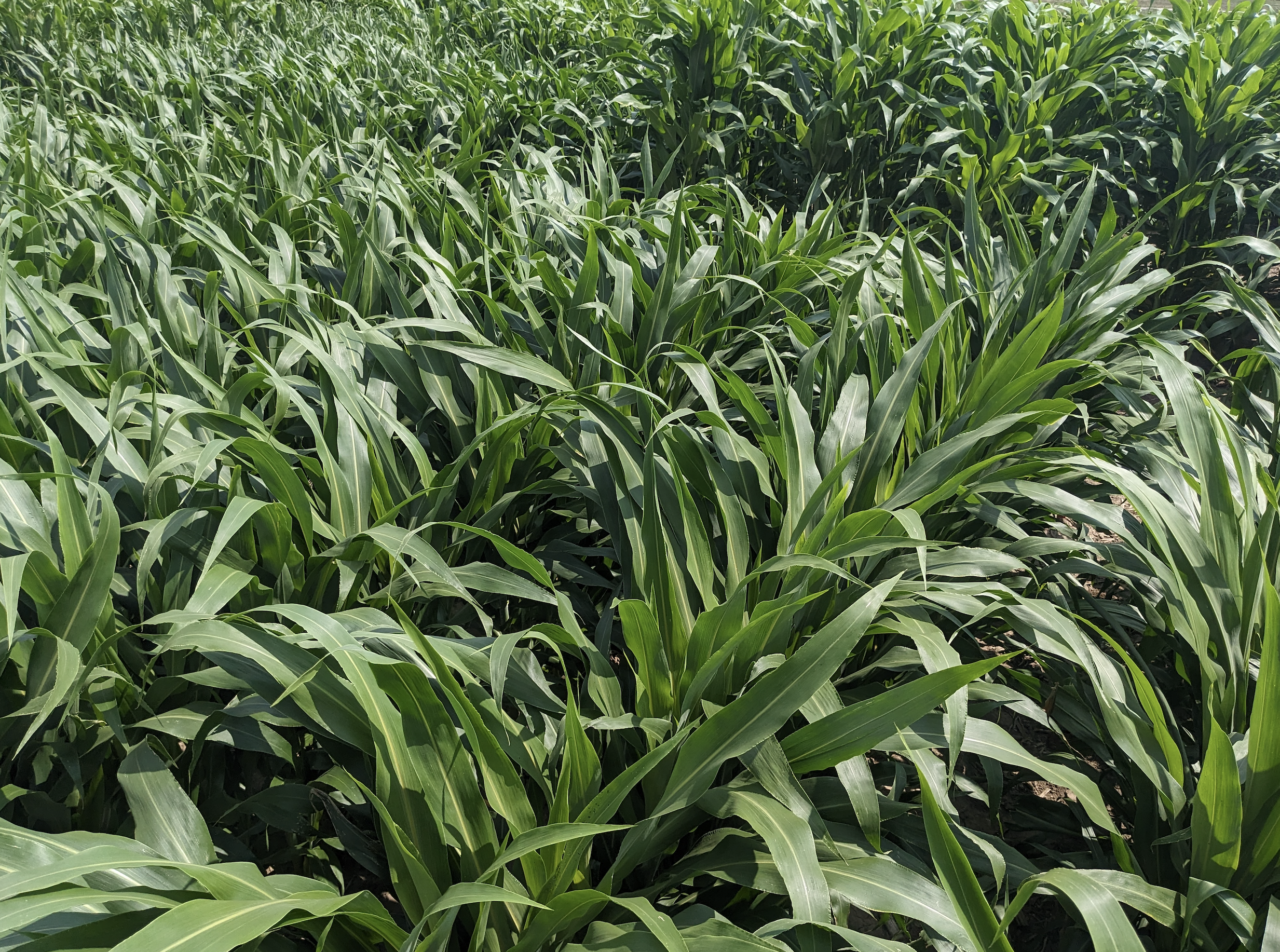
Engineering Leaf Angle in Sorghum to Enhance Canopy Efficiency and Water Use
Targeted knockdown of SbLG1 and SbLG2 in sorghum reduces leaf angle to enhance light distribution, photosynthetic efficiency, and biomass yield without increasing water use, advancing the development of a ‘smart canopy’ architecture.
Keywords: crop productivity, crop water use, leaf angle, liguleless, photosynthesis, smart canopy
Our study is important because it demonstrates that the engineering of leaf angle not only improves biomass production in sorghum, but that it does so without increasing crop demand for water. This is an important step towards increasing the profitability of growing crops to produce biofuels and biobased products on economically marginal land. – Andrew Leakey, Director of the Center for Advanced Bioenergy and Bioproduct Innovation
Sorghum, like many C4 crops, forms a canopy in which upper leaves receive excess light while lower canopy leaves are light-limited, leading to inefficiencies in carbon capture and water use. Biophysical models predict that a more erect leaf architecture could enhance light penetration, improving photosynthetic efficiency and water use efficiency (WUE). Leaf angle is controlled by the laminar joint, ligule, and auricle, with prior work in maize showing that loss-of-function mutations in liguleless genes lead to near-vertical leaves. In this study, scientists from University of Illinois at Urbana-Champaign, DOE Center for Advanced Bioenergy and Bioproducts Innovation and University of Nebraska-Lincoln used a knockdown approach targeting SbLG1 and SbLG2 genes via a hair-pin RNA construct to moderately reduce leaf angle in sorghum without eliminating ligule formation. Transgenic plants showed a 9–13° reduction in leaf angle compared to the wildtype, resulting in increased light distribution through the canopy, higher canopy CO₂ uptake, and greater total biomass and grain yield under both greenhouse and field conditions. These improvements occurred without increases in soil water depletion, indicating improved WUE.
Despite the dw3 mutation known to influence leaf angle, the parental genotype RTx430 displayed relatively large leaf angles, suggesting that dw3 alone does not determine this trait. This work demonstrates that targeted down-regulation of SbLG1/SbLG2 improves light use efficiency without the negative effects associated with complete gene knockouts. Moreover, the success of this knockdown strategy points to the potential for designing a ‘smart canopy’ in sorghum, characterized by erect upper leaves and more horizontal lower leaves. Tissue- or developmentally-specific regulation of liguleless genes offers a promising avenue to fine-tune canopy architecture for enhanced productivity in water-limited environments.
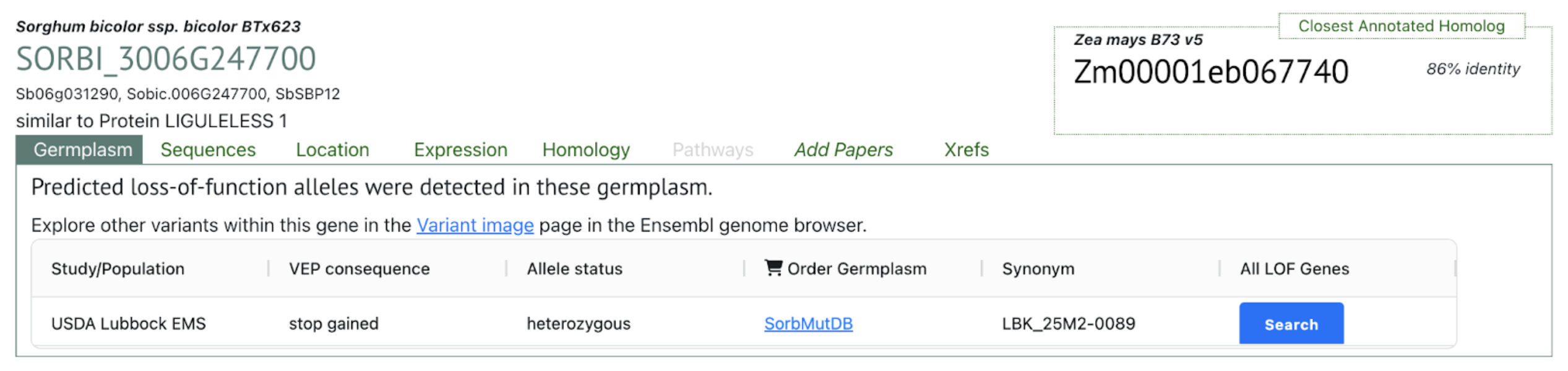
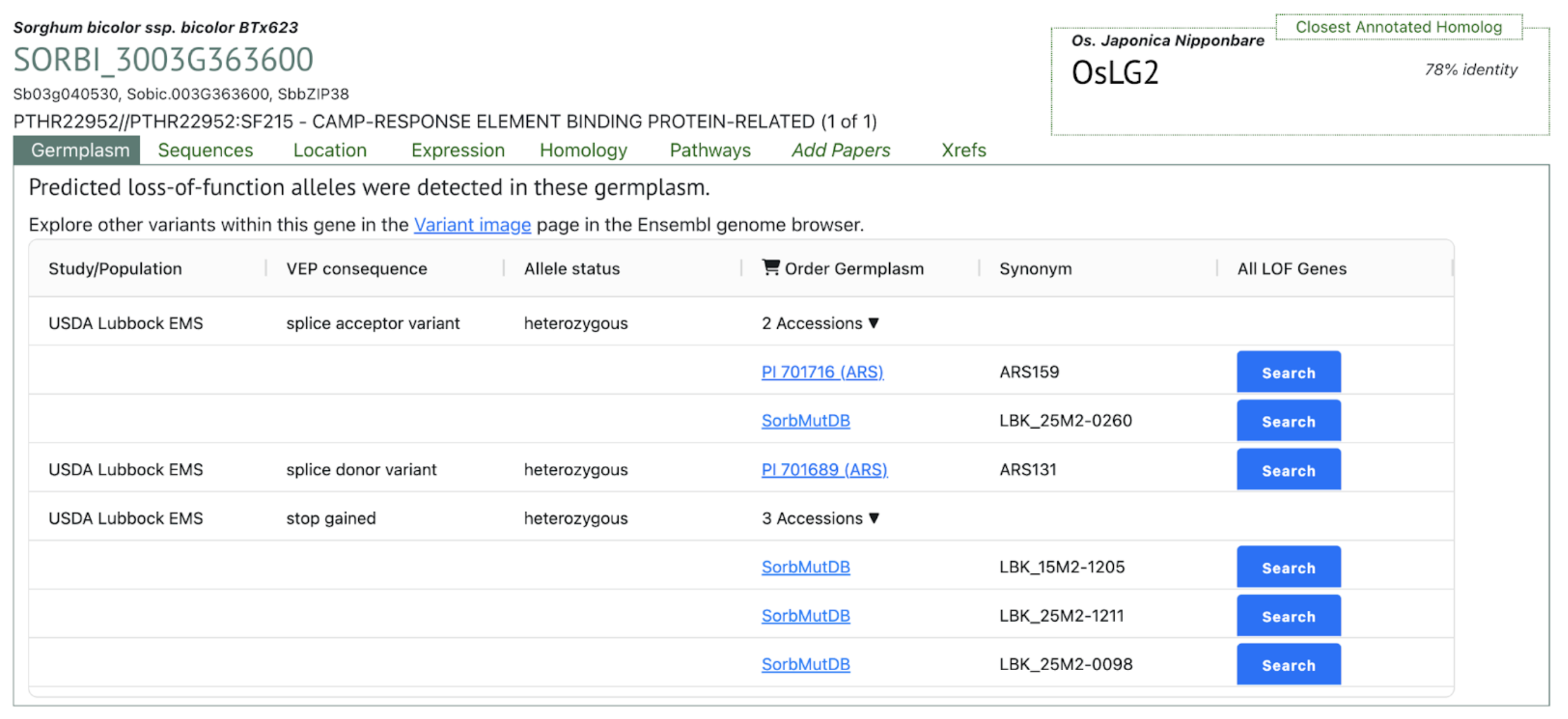
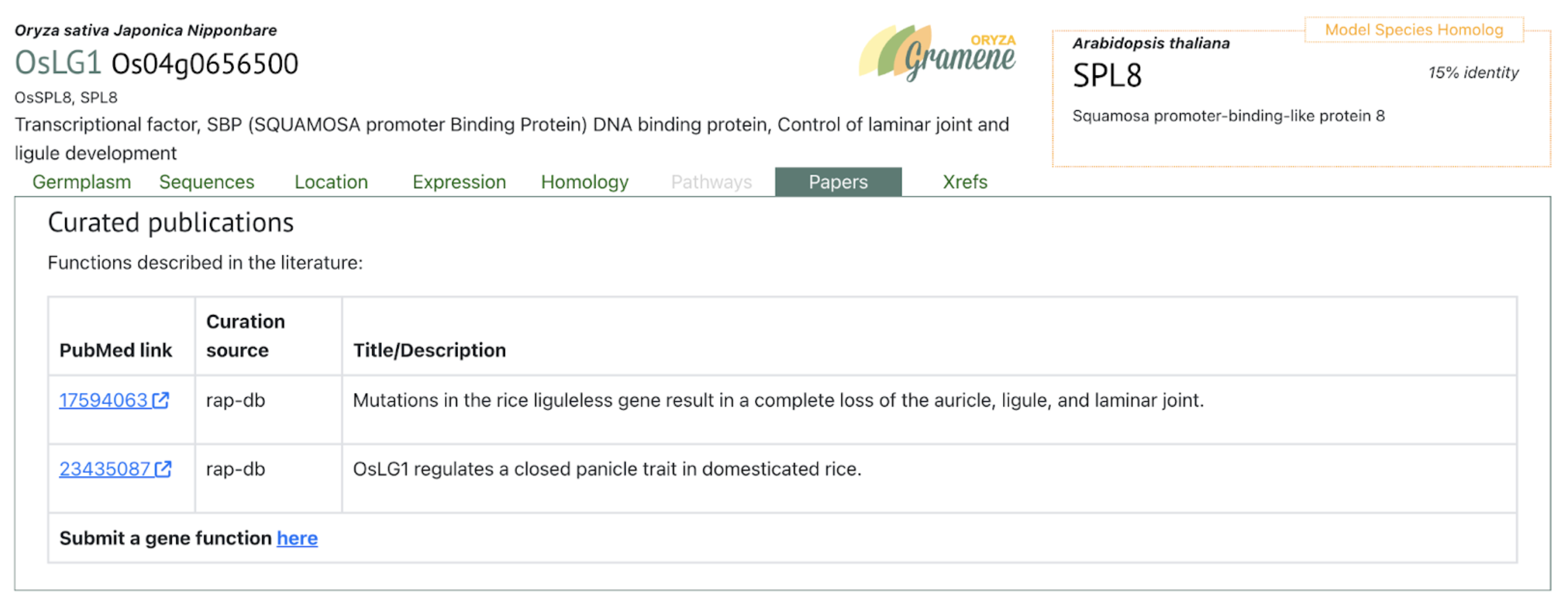
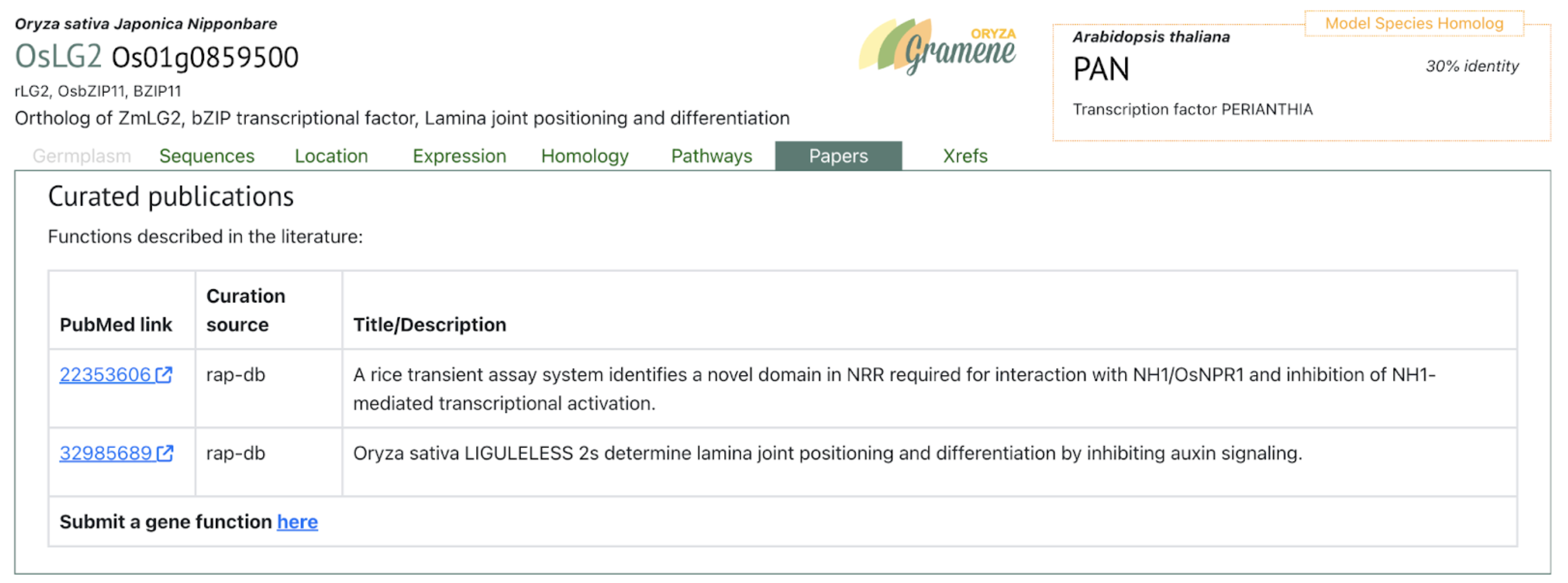
SorghumBase examples:
Reference:
Jaikumar N, Quach T, Ge Z, Nersesian N, Sato SJ, McCoy SM, Guo M, Leakey ADB, Long SP, Clemente TE. Constitutive down-regulation of liguleless alleles in sorghum drives increased productivity and water use efficiency. Plant Biotechnol J. 2025 Jun 1. PMID: 40452217. doi: 10.1111/pbi.70150. Read more
Related Project Websites:
- Leakey Lab at the University of Illinois Urbana-Champaign: https://lab.igb.illinois.edu/leakey/
- Center for Advanced Bioenergy and Bioproducts Innovation: https://cabbi.bio/
- Clemente Lab at the University of Nebraska-Lincoln: https://clementelab.unl.edu/