SorghumBase Release 10
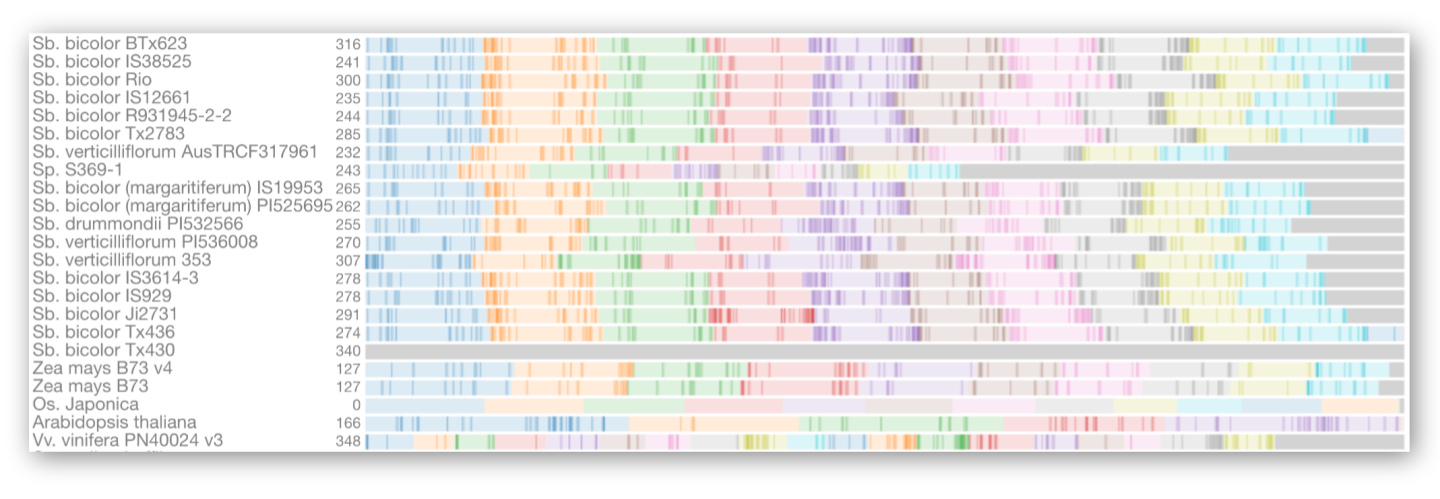
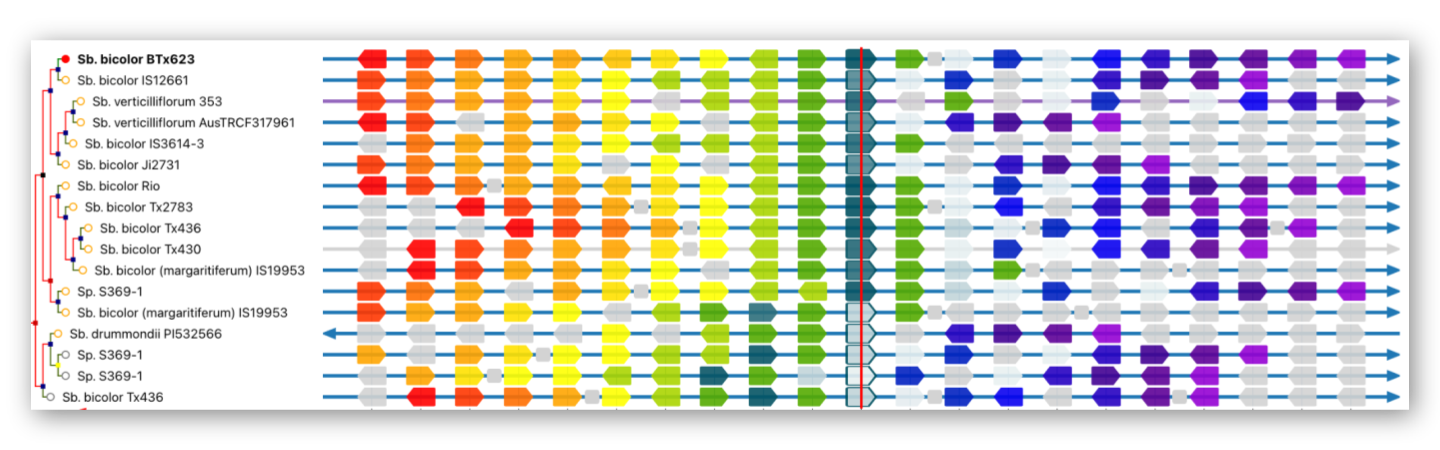
We are pleased to announce the 10th major release of SorghumBase. Highlights of this release include the addition of 31 new genomes from the JGI SorghumPan project
The 39th annual Biology of Genomes meeting will take place at Cold Spring Harbor Laboratory May 5-9, 2026. The conference will explore how DNA sequence variation shapes molecular evolution, population genetics, complex disease biology, and comparative genomics, as well as findings from large-scale gene and protein expression studies and genomic analyses of ecological systems.
The Center for Sorghum Improvement (CSI) will host a virtual Global Conference Announcement and SorghumBase seminar on Tuesday, February 10 at 10:45 AM CT. The meeting will begin with announcements and the seminar will start at 11:00 AM CT. Nick Gladman, Andrew Olson and Doreen Ware will speak on behalf of SorghumBase with their talk, “SorghumBase: a central KnowledgeBase for Sorghum Stakeholders.”
Linalool enhances sorghum resistance to Colletotrichum sublineola-induced anthracnose by activating salicylic acid–mediated defense signaling and directly inhibiting fungal growth through membrane disruption and oxidative stress.
Multi-locus GWAS of Ethiopian sorghum landraces revealed extensive genetic variation and key candidate genes underlying root architectural traits, providing valuable targets for breeding drought-resilient, water-efficient sorghum cultivars.
Understanding sorghum grain quality is essential for breeding, food innovation, and industrial applications. Traits such as protein, starch composition, oil content, tannins, and phenolic compounds directly influence nutritional value, processing behavior, and end use. However, traditional laboratory assays are slow,
Sorghum (Sorghum bicolor) has long played a central role in the production of fermented beverages across continents, from West African dolo and pito to Chinese baijiu and emerging gluten-free craft beers in the West. A wave of recent research is shedding light on how sorghum’s grain properties, microbial interactions during fermentation, and genetic diversity influence the quality and sustainability of these beverages.
In recent years, sorghum has gained increasing attention not just as a climate-resilient staple crop, but also as a source of high-value bioactive compounds with applications beyond the food and feed sectors. A growing body of research highlights the potential of sorghum storage proteins—particularly kafirins—as a sustainable source of antioxidant peptides and cosmeceutical ingredients.
Search for genes by id, name, pathway, domain, or ontology term
Genome browser powered by Ensembl
Search by sequence