Phytohormone Dynamics Underlying Reproductive Cold Tolerance in Sorghum
Reproductive cold tolerance in sorghum is primarily associated with tight abscisic acid homeostasis—rather than gibberellin limitation or jasmonate induction—and appears to affect yield through mechanisms beyond pollen fertility, likely involving female reproductive processes.
Keywords: abscisic acid, climate adaptation, cold sensitivity, gibberellins, jasmonic acid, pollen fertility, reproductive cold tolerance, sorghum bicolor
Sorghum is increasingly recognized as a resilient crop for ensuring food and feed security under climate change, yet its expansion into temperate regions depends on improved reproductive cold tolerance. While juvenile cold tolerance has been widely studied, physiological mechanisms during the reproductive stage remain poorly understood, particularly regarding phytohormone regulation. Researchers from Justus-Liebig University Giessen and Leibniz Institute of Plant Genetics and Crop Plant Research investigated the dynamics of abscisic acid (ABA), gibberellins (GA), and jasmonic acid (JA) in a cold-tolerant (SB14011) and a cold-sensitive (SC1056) sorghum genotype across key reproductive stages (BBCH35, BBCH39, BBCH51). Under cold stress, the tolerant genotype maintained consistently low ABA concentrations, whereas the sensitive genotype accumulated up to five-fold higher ABA levels. Both ABA conjugation (ABAGe) and oxidation (phaseic acid, PA) pathways were active, with evidence that the tolerant genotype utilizes both mechanisms to maintain ABA homeostasis. In contrast to rice, elevated ABA in sorghum was not consistently associated with reduced pollen fertility, and correlation analyses indicated that yield losses were not primarily driven by impaired pollen development, suggesting a stronger contribution of female reproductive organ sensitivity.
Cold stress reduced GA levels at specific stages in both genotypes, but no genotype-specific differences were detected, and GA profiles did not correlate with pollen fertility or yield performance. Notably, GA₄ and GA₇ were not detected, and maintaining GA pools did not appear to determine cold tolerance, differing from mechanisms described in rice. JA and JA-Ile levels were largely stable across genotypes and conditions, indicating no strong cold-induced activation of JA biosynthesis. However, developmental stage-dependent trends revealed antagonistic JA–GA crosstalk, with increasing JA-Ile and declining GA during reproductive progression. These findings demonstrate that reproductive cold tolerance in sorghum is primarily associated with ABA homeostasis rather than GA limitation or JA induction, providing a physiological framework for breeding strategies targeting hormone-regulated stress adaptation.
SorghumBase Examples:
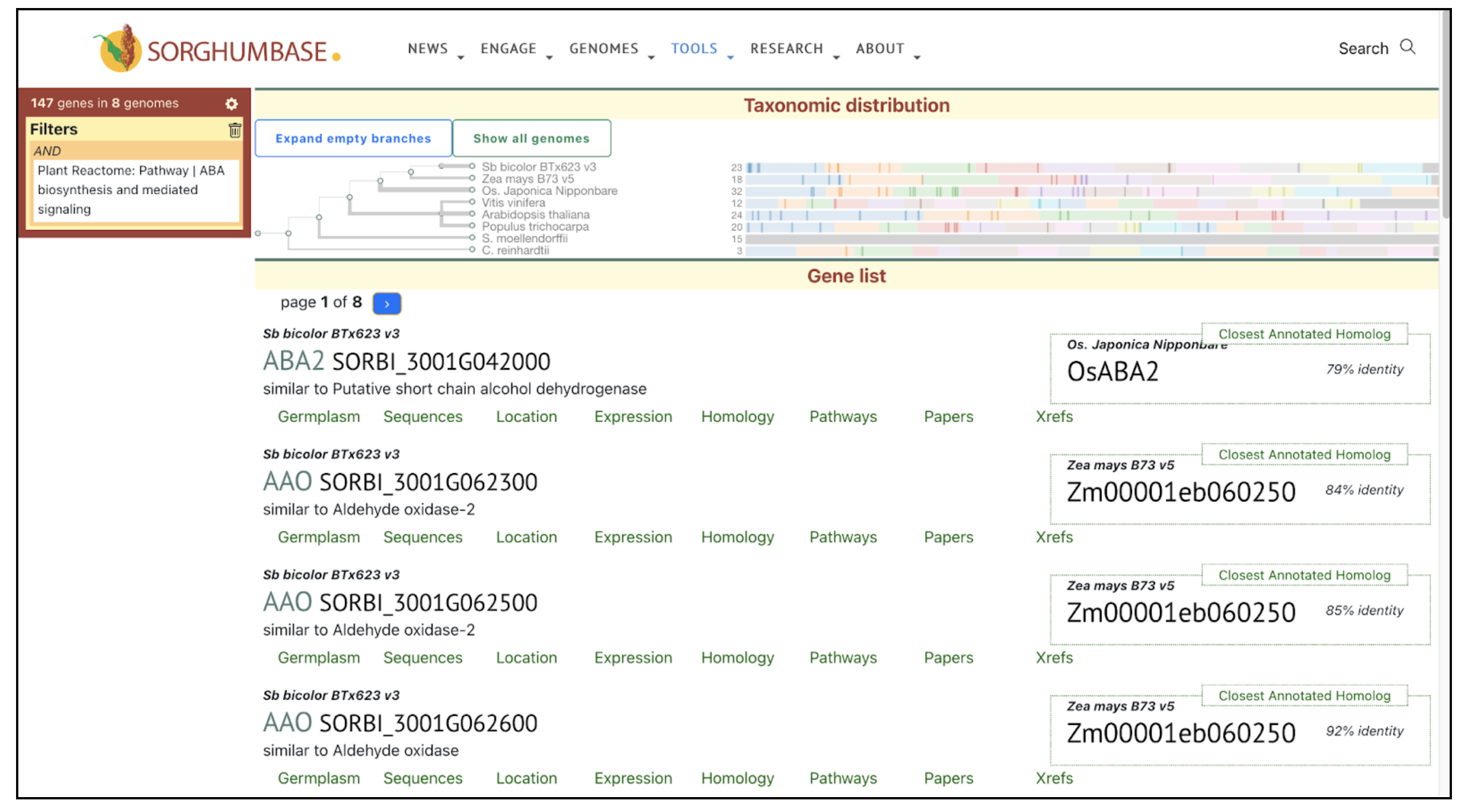
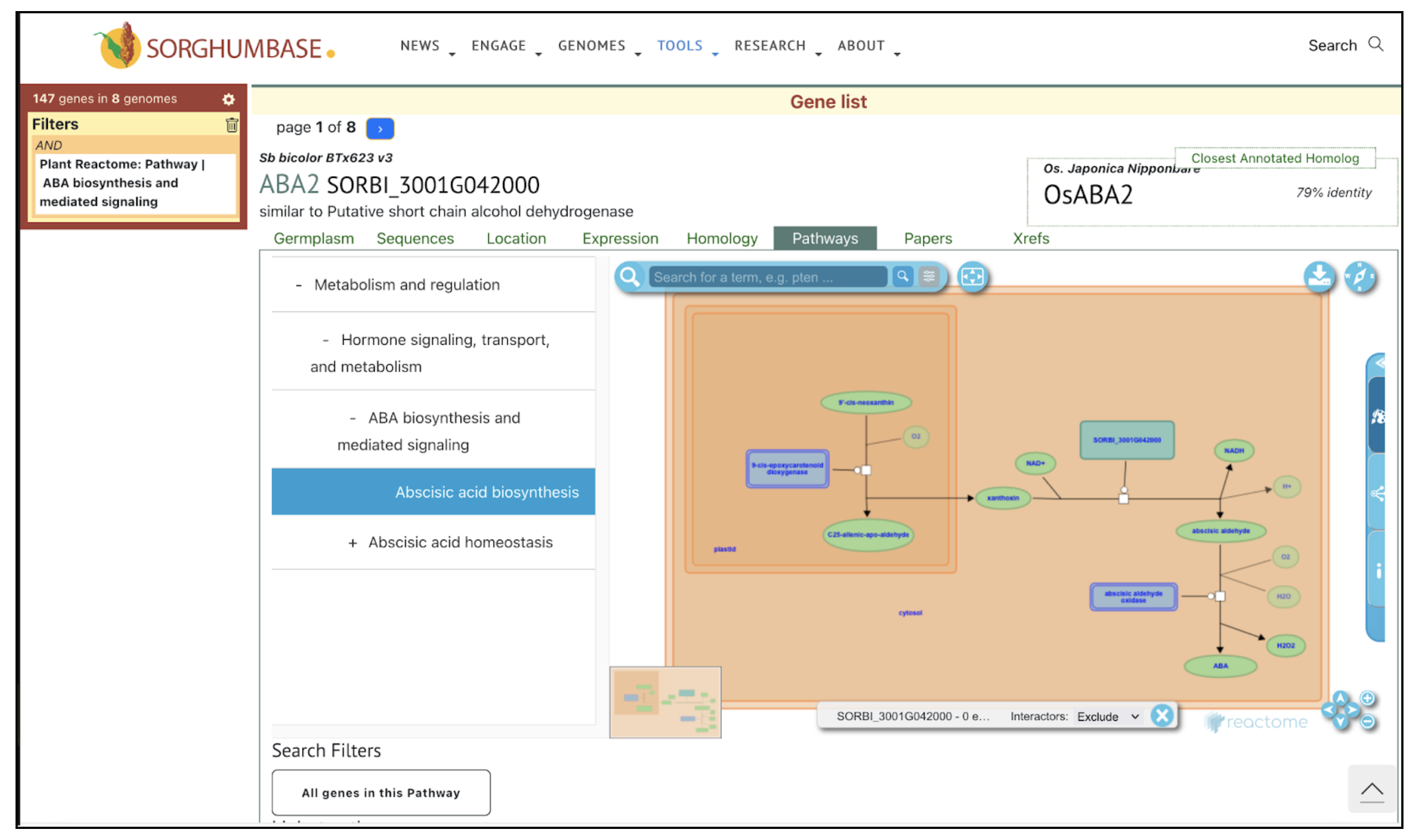
Neitzert L, Kravcov N, Moya YAT, Windpassinger S, von Wirén N, Snowdon R, Wittkop B. Cold Shock for Cold Tolerance: Phytohormone Dynamics in Sorghum Provides Insights. Plant Direct. 2026 Jan 15;10(1):e70133. PMID: 41551053. doi: 10.1002/pld3.70133. Read more

